
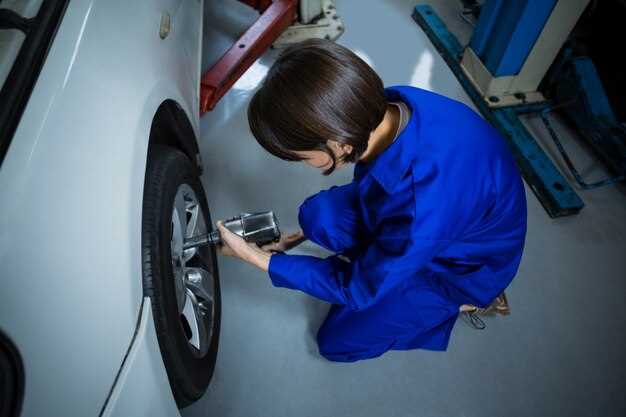
When it comes to maintaining your BMW, one of the essential repair jobs you can undertake is replacing the brake pads. Over time, brake pads wear down and lose their effectiveness, leading to decreased braking performance and potential safety hazards. By performing this task yourself, you not only save on labor costs but also gain invaluable knowledge about your vehicle’s braking system.
In this comprehensive guide, we will walk you through the entire process of replacing BMW brake pads, ensuring that you tackle this important job with confidence. You’ll learn about the necessary tools and materials, as well as the step-by-step procedure to complete the replacement safely and efficiently. Understanding the importance of quality brake components is crucial, as proper brakes are vital for your vehicle’s safety and performance.
Whether you’re a seasoned DIY enthusiast or a beginner looking to improve your car maintenance skills, our step-by-step approach will equip you with the knowledge required to successfully complete the repair. Get ready to enhance your driving experience by ensuring your BMW’s braking system is functioning at its best.
Gathering Necessary Tools and Materials for DIY Brake Pad Replacement

Before starting the job of replacing your BMW’s brake pads, it’s essential to gather all necessary tools and materials. This preparation will ensure a smooth and efficient DIY experience.
Firstly, you will need a set of mechanic’s tools, including a socket set, ratchet, and torque wrench to remove the wheels and caliper bolts. A c-clamp or brake caliper tool is crucial for compressing the brake piston to fit the new pads. Ensure you have a jack and jack stands for safely lifting the vehicle.
Next, obtain high-quality replacement brake pads suited for your BMW model. Consult your owner’s manual or a reputable parts store to ensure compatibility. Additionally, consider purchasing brake cleaner to clean the caliper and rotors, as well as synthetic brake grease to lubricate the contact points.
Finally, have some rags on hand for cleaning up any spills and a container for collecting brake fluid. Following this checklist will aid in completing your brake pad replacement efficiently, ensuring safety and performance in your vehicle.
Detailed Process for Removing Old Brake Pads and Installing New Ones
Before starting the job, gather all necessary tools and materials: a jack, jack stands, a lug wrench, a C-clamp or brake caliper tool, socket set, and new brake pads. Ensure you are working in a safe environment.
1. Begin by jacking up the BMW and securing it on jack stands. Remove the wheel using the lug wrench to access the brake assembly.
2. Locate the brake caliper, which houses the brake pads. Use a socket to remove the bolts securing the caliper to the bracket. Carefully slide the caliper off the rotor. Make sure to hang it using a bungee cord or secure it to avoid straining the brake line.
3. With the caliper removed, you can now access the old brake pads. Notice the retaining clips or pins that hold the pads in position. Remove these as needed to free the pads from the caliper bracket.
4. Take the old brake pads out of the caliper bracket. Inspect the rotor for wear or damage and consider resurfacing or replacing it if necessary.
5. Before installing new brake pads, compress the caliper piston using a C-clamp or brake caliper tool. This step is essential to create enough space for the new, thicker pads.
6. Install the new brake pads into the caliper bracket. Ensure they are positioned correctly and secure them with the retaining clips or pins you previously removed.
7. Reposition the caliper over the new pads and align it with the mounting bracket. Replace the caliper bolts and tighten them to the manufacturer’s specifications.
8. Once everything is secured, place the wheel back onto the hub, tighten the lug nuts, and lower the vehicle off the jack stands.
9. Finally, pump the brake pedal several times to seat the new pads against the rotor. Verify that the brakes feel firm before driving the vehicle.
Tips for Ensuring Proper Brake Functionality Post-Installation
After successfully completing your diy brake pad replacement job, it’s crucial to ensure that your brakes function flawlessly. Begin by pumping the brake pedal several times to seat the new pads against the rotors. This action helps in establishing the necessary friction, which is essential for optimal performance during your first drive.
Next, check for any unusual noises or vibrations when braking. If any sounds such as squealing or grinding occur, revisit your installation to ensure that everything is correctly secured and that the pads are properly aligned. A thorough inspection can prevent larger repair issues down the line.
Additionally, inspect the brake fluid level in the reservoir. Replacing brake pads can sometimes unintentionally alter brake fluid levels. Ensure that the fluid is at the appropriate level; this will ensure adequate brake pressure and responsiveness during operation.
It’s also advisable to take a short, gentle test drive. Gradually brake from low speeds to check the responsiveness of the brakes. This allows you to gauge their performance and make adjustments if necessary. Remember to monitor the brake performance continuously for the next few drives, ensuring that everything is functioning as intended.
Lastly, keep an eye on the brake pads’ wear indicators over time. Regular inspections post-installation can save you from unexpected repairs and enhance the safety of your vehicle. With these tips in mind, you can confidently enjoy your newly installed brake pads while ensuring they operate efficiently and effectively.