

Experiencing overheating in your BMW can be a stressful situation, as it may indicate underlying issues that could lead to severe engine damage. The first step is to remain calm and assess the situation to prevent further complications. One of the most common reasons for overheating is insufficient coolant levels, which can compromise the vehicle’s cooling system effectiveness.
Before you consider any advanced troubleshooting, check the coolant reservoir. If the levels are low, this may be the direct cause of the overheating. Inadequate coolant not only impacts temperature regulation but also can cause the engine to function improperly. If your BMW is displaying warnings or the temperature gauge is rising, taking immediate action will be critical to safeguard the engine’s integrity.
Understanding the warning signs and taking timely action when your BMW overheats will not only extend the life of your vehicle but also enhance your overall driving experience. Ignoring these signs can lead to costly repairs, making it essential for every BMW owner to know how to respond effectively.
Identify Overheating Symptoms in Your BMW’s Coolant System
Recognizing the symptoms of overheating in your BMW’s coolant system is crucial for preventing severe engine damage. One of the first signs of overheating is the temperature gauge on your dashboard. If the needle moves into the red zone or hovers above the normal operating range, it indicates that the engine is running hot.
Another common symptom is the presence of coolant leaks. If you notice puddles of liquid beneath your vehicle or find that the coolant reservoir is frequently low, it may indicate a malfunction in the coolant system. Check for any visible signs of fluid leakage from hoses, the radiator, or the water pump.
The cooling fan should also be monitored. If the fan does not engage when the engine starts to overheat, it could be a sign of a faulty fan or electrical issue within the cooling system. The absence of this critical component can lead to persistent overheating problems.
Unusual engine noises such as hissing or bubbling sounds can indicate that coolant is boiling in the system, which is a clear sign of overheating. If you hear these sounds, it’s essential to address the issue immediately to avoid catastrophic engine failure.
Lastly, pay attention to any steam coming from the engine bay. This often signifies that coolant is leaking or boiling, which means the engine temperature is dangerously high. If you experience any of these symptoms, it’s vital to stop driving your BMW and seek professional assistance to prevent further damage to the engine.
Immediate Actions to Cool Down Your Engine Safely

When your BMW experiences overheating, prompt action is essential to prevent serious engine damage. First, safely pull over to the side of the road, away from traffic. Turn off the engine immediately to stop any further strain on the overheating system.
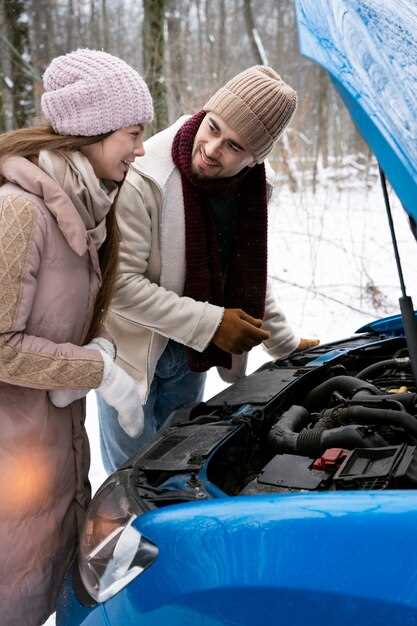
Once the engine is turned off, open the hood to allow heat to escape more quickly. Be cautious, as the hood may be hot. Use protective gloves if necessary to avoid burns. Do not attempt to open the radiator cap immediately; the pressure inside can cause hot coolant to spray out.
While waiting for the engine to cool down, check the temperature gauge. If it is in the red zone, it’s an indication of severe overheating. Give the engine adequate time to cool down before taking further action, typically between 30 minutes to an hour.
If you have access to water, you can gradually pour cool water over the engine block once it has cooled enough to touch. This helps to reduce the overall temperature but should be done cautiously to avoid thermal shock.
Check the coolant level in the reservoir once the engine has cooled sufficiently. If the coolant is low, carefully add a mixture of water and coolant to the reservoir. Ensure you are using the correct type of coolant recommended for your BMW.
After completing these steps, start the engine and monitor the temperature gauge. If the overheating persists, it may indicate a deeper issue within the cooling system, and you should consider seeking professional assistance.
Long-term Solutions to Prevent Future Overheating Issues
Preventing overheating in your BMW requires a proactive approach to maintain the engine’s cooling system. Here are effective strategies to ensure your vehicle operates within safe temperature ranges.
-
Regular Maintenance:
Schedule routine check-ups with a qualified technician. This includes inspecting the cooling system for leaks, corrosion, and wear.
-
Monitor Coolant Levels:
Consistently check coolant levels and refill as necessary, using the manufacturer-recommended type. Low coolant can cause the system to fail.
-
Check the Thermostat:
Replace a faulty thermostat promptly. A malfunctioning thermostat can prevent the coolant from flowing effectively, leading to overheating.
-
Inspect Radiator and Hoses:
Ensure the radiator is clean and free of debris. Examine hoses for cracks or leaks, and replace them if any damage is found.
-
Flush the Cooling System:
Consider a cooling system flush every couple of years. This removes old coolant and sediment buildup that can hinder performance.
-
Upgrade Cooling Components:
If your BMW frequently overheats, consider upgrading to higher capacity radiators or improved fans for enhanced cooling efficiency.
-
Monitor Engine Operation:
Pay attention to warning lights on the dashboard. Address any signs of overheating immediately, as early intervention can prevent a major issue.
By implementing these long-term solutions, you can significantly reduce the risk of persistent overheating issues and maintain your BMW’s performance.